
Executive Overview
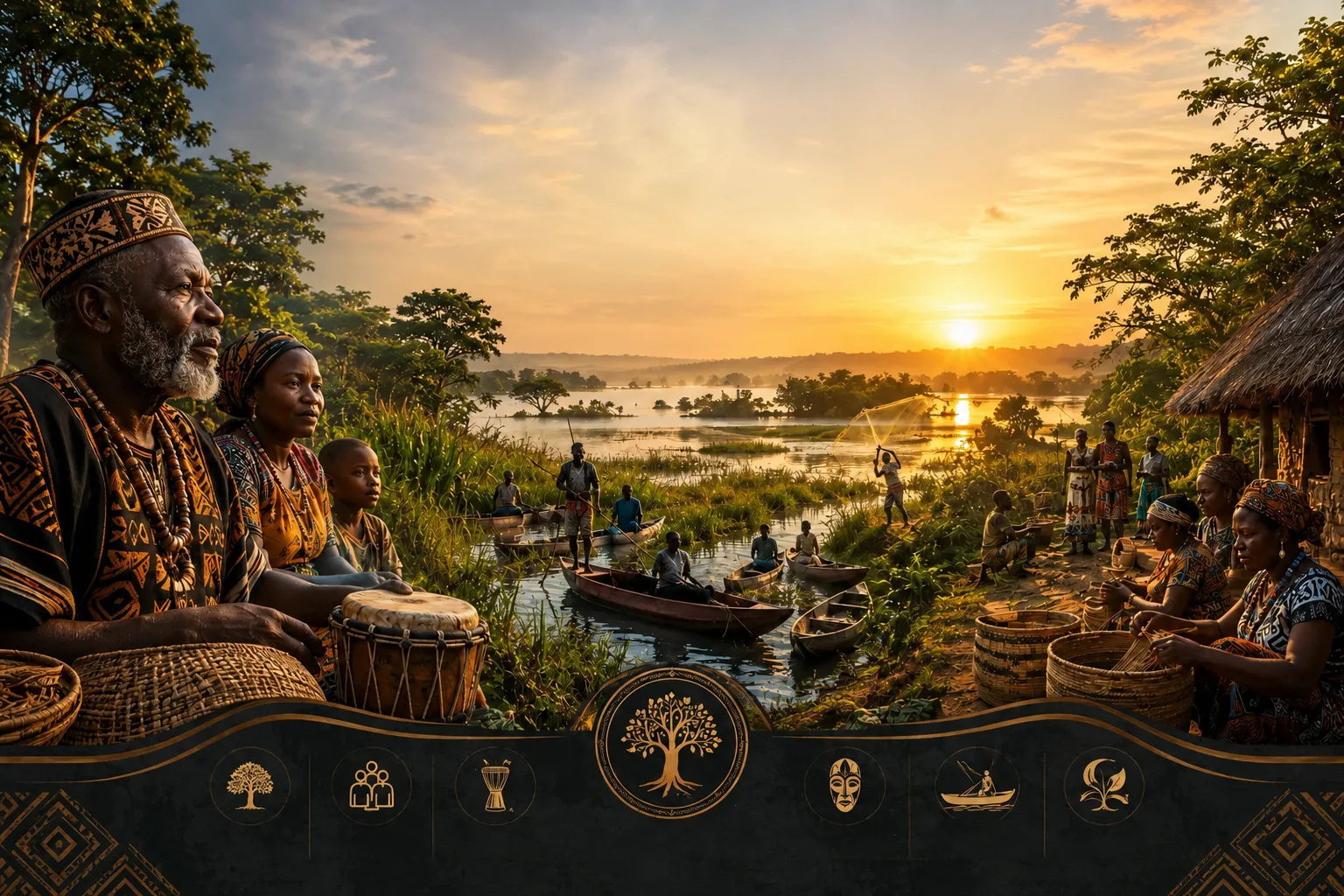
In the northern reaches of Zambia lies a province shaped not only by rivers, wetlands, and forests but by people, memory, and living tradition.
Luapula Province is often recognised for its rivers, lakes, fishing culture, and natural beauty. Yet beneath its landscapes lies something even more powerful: community identity.
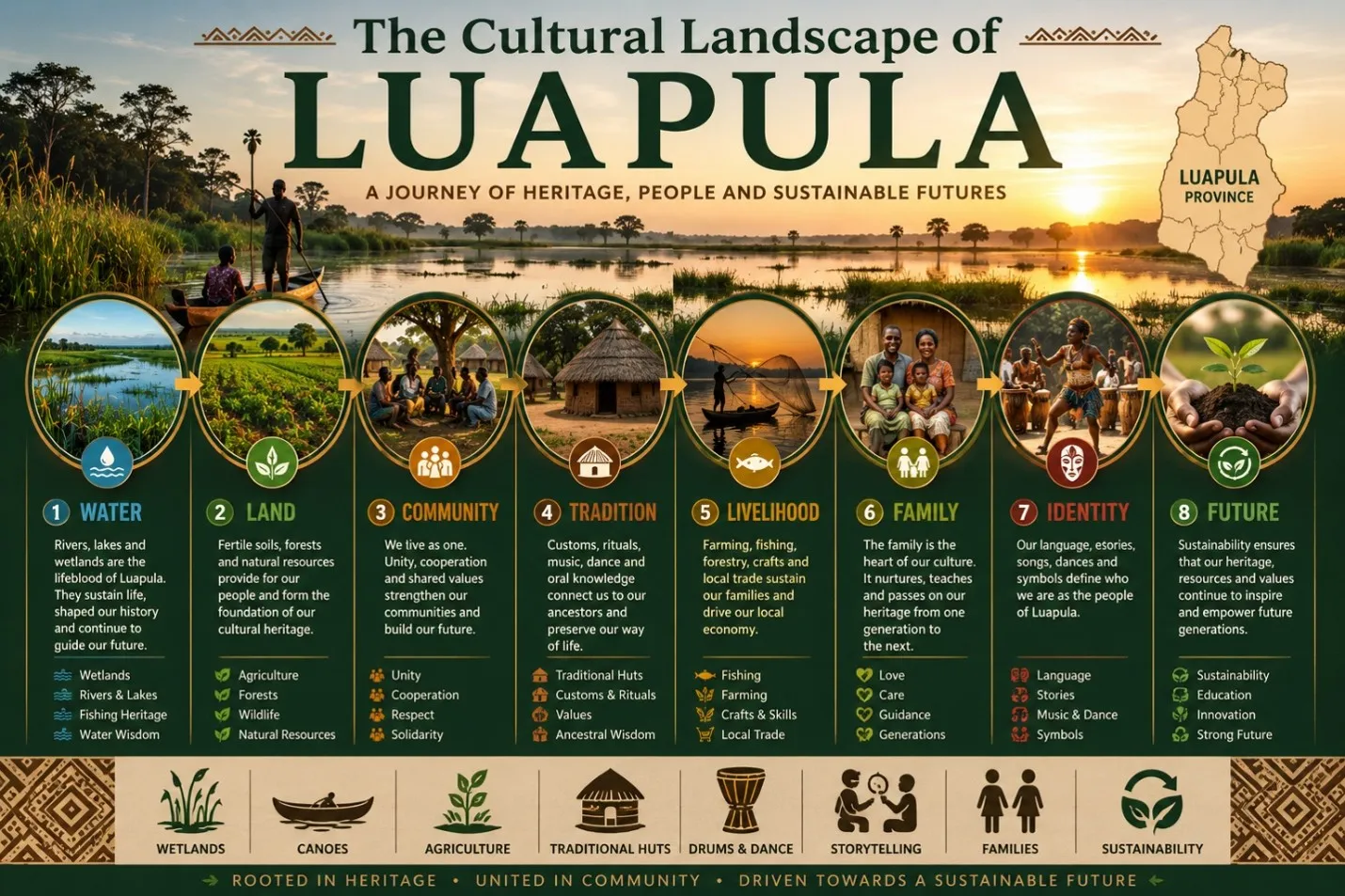
For generations, the province has served as home to diverse communities whose customs, language, music, food, storytelling, and social values continue to shape everyday life. Among these communities, the Ushi people of the Milenge region stand as custodians of a deeply rooted cultural heritage, one built on family, communal values, resilience, oral knowledge, and the preservation of tradition.
In places such as Milambo and surrounding settlements, culture is not archived inside museums. It is lived.
It exists in storytelling around evening fires, agricultural rhythms, ceremonial gatherings, songs sung during work, collective caregiving, and ancestral values passed between generations.
Today, as modernisation expands across Zambia, the story of Luapula, and particularly of the Ushi people in Milenge, offers an important lesson: development becomes stronger when communities preserve identity while embracing opportunity.
The Land That Shapes Identity
Life in Luapula is inseparable from geography.
The province's rivers, forests, wetlands, fertile soils, and lakes have shaped livelihoods, social systems, and cultural memory for centuries.
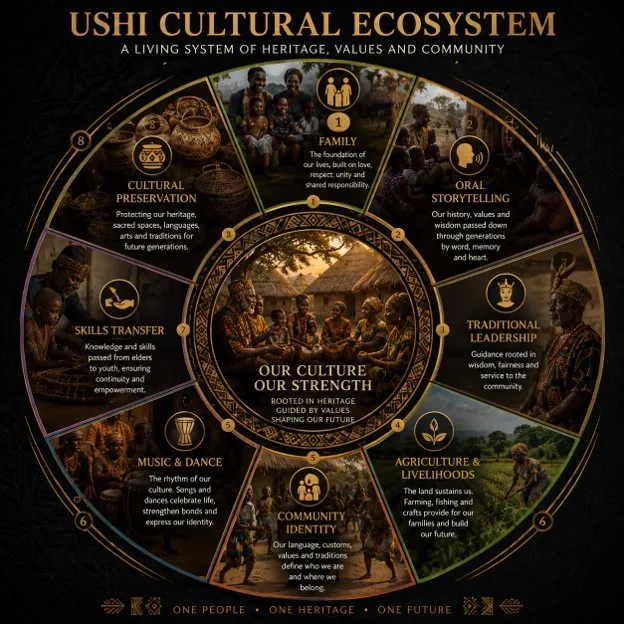
Communities across Luapula developed around:
- Water systems
- Agriculture
- Fishing economies
- Community trade routes
- Traditional governance systems
- Shared family structures
In Milenge, forests, streams, fertile land, and village networks have long supported community life.
Nature is not viewed simply as landscape; it forms part of identity.
Seasonal farming cycles, food preparation, storytelling traditions, hunting histories, fishing patterns, and cultural gatherings all evolved in relationship with the surrounding environment.
Understanding the Ushi People: Community at the Centre of Life
The Ushi people represent one of Luapula's culturally rich communities whose identity has long been shaped by collective life, respect for elders, family cohesion, and cultural continuity.
Within many Ushi communities, social structures historically evolved around kinship, reciprocity, and collective wellbeing.
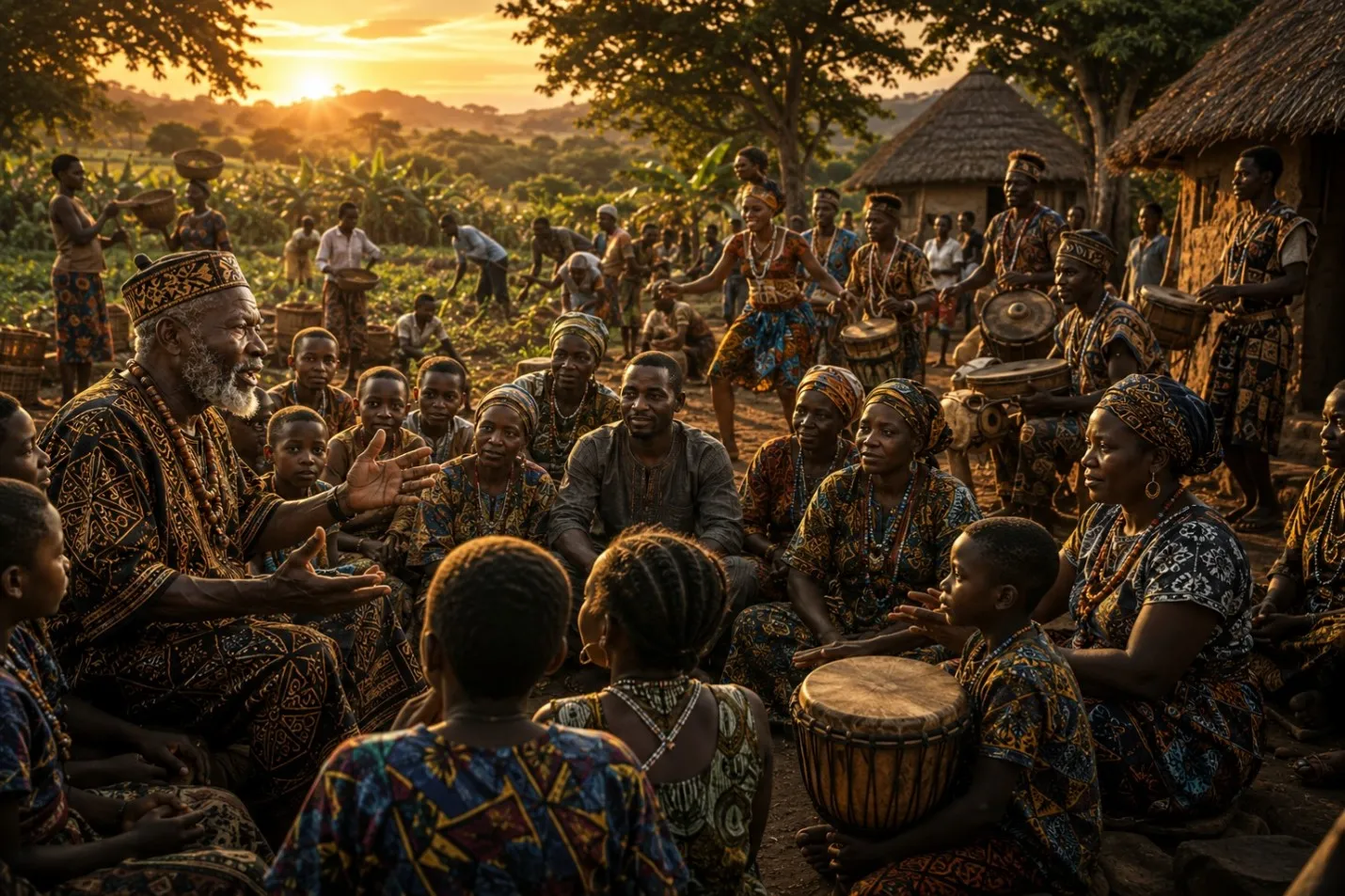
Community life traditionally encouraged values such as:
- Respect for elders
- Family unity
- Cooperation
- Knowledge sharing
- Social responsibility
- Cultural continuity
In many homes, oral knowledge remains central.
Stories teach values.
Songs preserve memory.
Language preserves belonging.
Children often learn community history through grandparents, family gatherings, songs, and practical experiences connected to farming, community responsibilities, and tradition.
Among the Ushi people, identity is often understood not only through the individual but through relationships.
The idea of belonging to a larger family and social structure remains deeply important.
Milambo: Living Memory and Community Values
In the Milenge region, Milambo represents more than place; it reflects memory, heritage, and continuity.
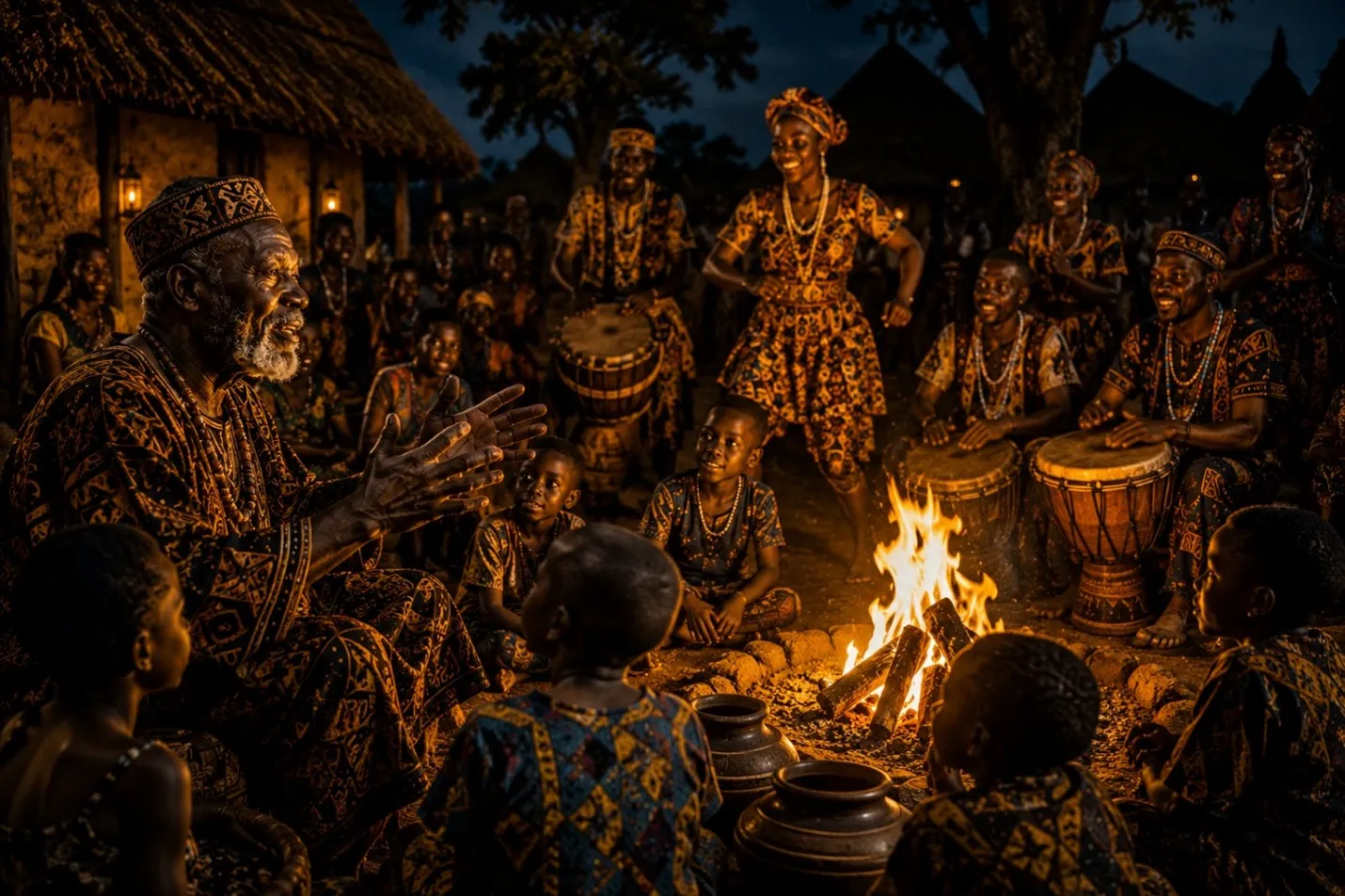
Community traditions are often woven into everyday life through collective work, ceremonies, storytelling, songs, local customs, and shared social responsibility.
What makes Milambo culturally distinctive is not simply history; it is continuity.
Traditional values continue to shape:
- Community cooperation
- Conflict resolution
- Food systems
- Family structures
- Farming traditions
- Intergenerational teaching
Even in changing times, many families continue to preserve customs rooted in mutual care and collective identity.
For many residents, heritage is not something separate from modern life; it moves alongside it.
Milenge: A Region of Quiet Strength
Milenge is often experienced through simplicity.
But beneath that simplicity lies resilience.
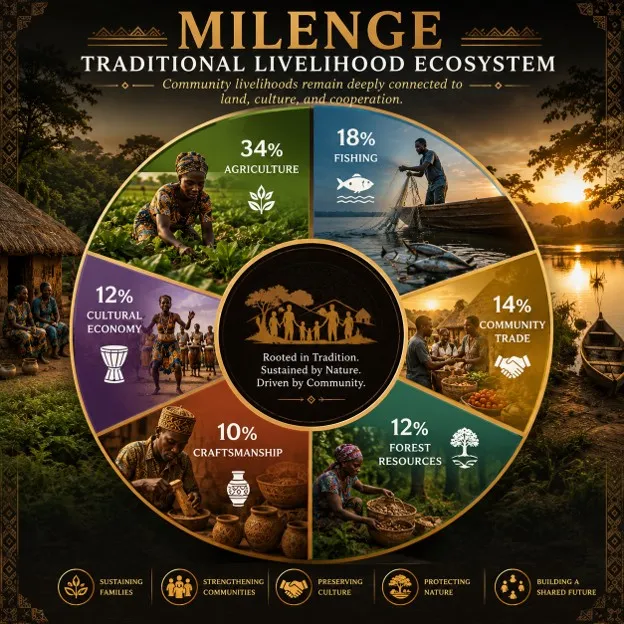
The region reflects a way of life grounded in patience, labour, family, agriculture, and shared responsibility.
Daily life often centres around:
- Farming
- Fishing
- Community trade
- Food preparation
- Forest resources
- Collective labour systems
Agriculture remains central to many households, while fishing and small-scale trade support local economies.
Community life frequently depends on cooperation, whether through planting seasons, celebrations, ceremonies, or times of hardship.
This collective resilience continues to shape social identity.
Music, Dance, and Oral Storytelling
Culture survives through expression.
Across Luapula, and among Ushi communities in particular, music and storytelling have long served as vehicles for memory.
Songs celebrate milestones.
Dance strengthens collective participation.
Storytelling teaches wisdom.
Traditional songs may accompany:
- Marriage celebrations
- Harvest seasons
- Ceremonial gatherings
- Community work
- Mourning and remembrance
Storytelling has historically helped preserve:
- Family history
- Social lessons
- Community values
- Cultural identity
In many communities, wisdom is shared through metaphor, rhythm, and narrative.
This oral tradition continues to serve as a living classroom.
Food, Farming, and Everyday Heritage
Culture often lives inside ordinary moments.
In Milenge and surrounding Ushi communities, food systems reflect history, geography, and social connection.
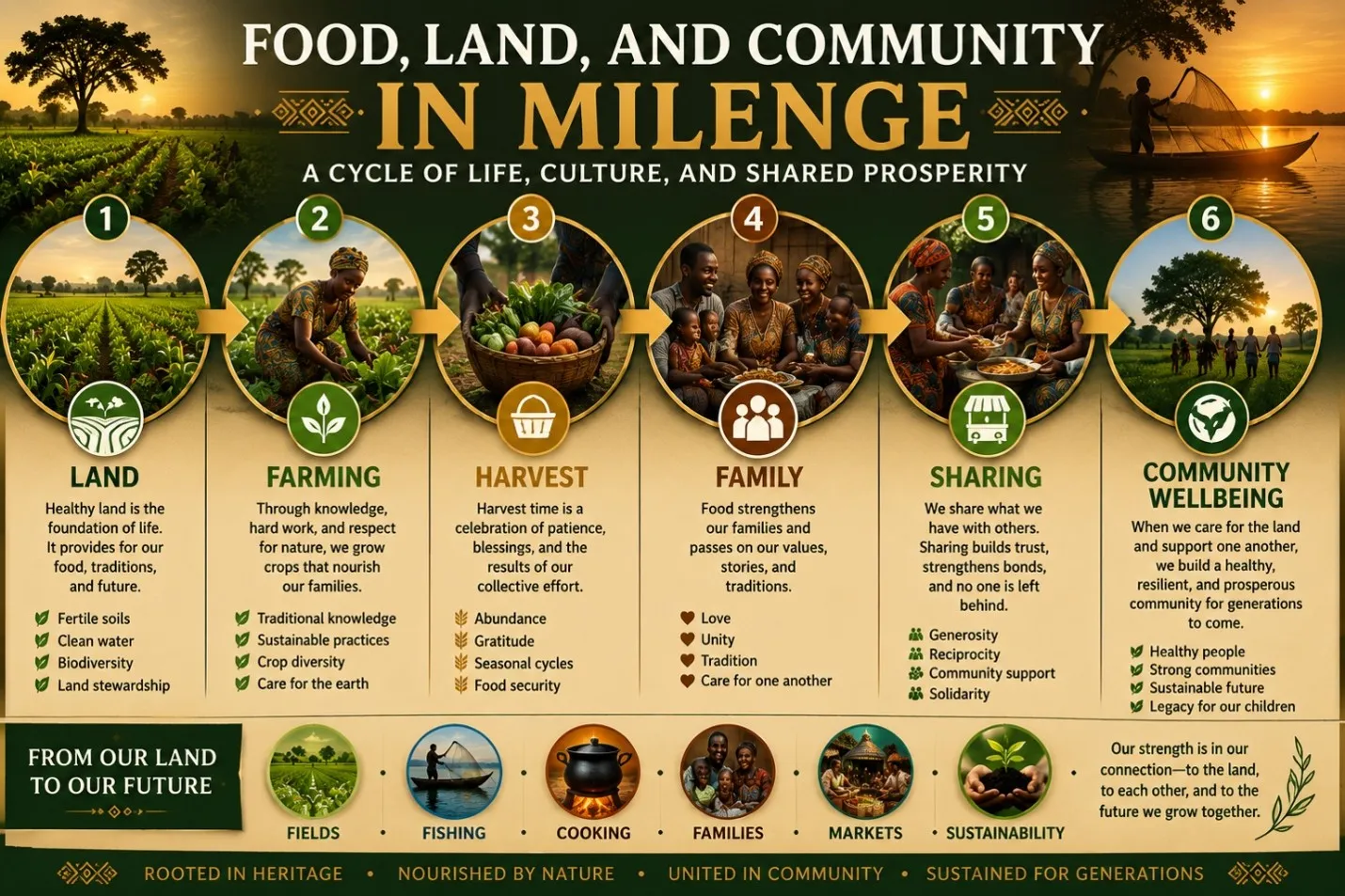
Agriculture shapes both livelihood and identity.
Farming practices traditionally support crops linked to household nutrition and community resilience.
Meals are often connected to memory and gathering.
Fishing communities contribute to dietary traditions shaped by rivers and wetlands, while forests historically supported household resources and local food systems.
Food becomes more than nourishment; it becomes heritage.
Cooking, harvesting, preparation, and sharing reinforce social ties.
Traditional Leadership and Community Responsibility
Leadership in many traditional communities historically extended beyond administration.
Traditional systems often emphasised responsibility, mediation, guidance, and collective wellbeing.
Community leadership helped guide:
- Family relationships
- Social values
- Land stewardship
- Cultural continuity
- Conflict mediation
- Community organisation
Respect for elders remains an important cultural value in many Ushi communities.
Knowledge is often viewed as something earned through lived experience and passed to younger generations through trust and guidance.
Nature, Water, and Cultural Continuity
Luapula's identity is inseparable from water.
Nearby wetlands, rivers, streams, and ecological systems continue shaping livelihoods and memory.
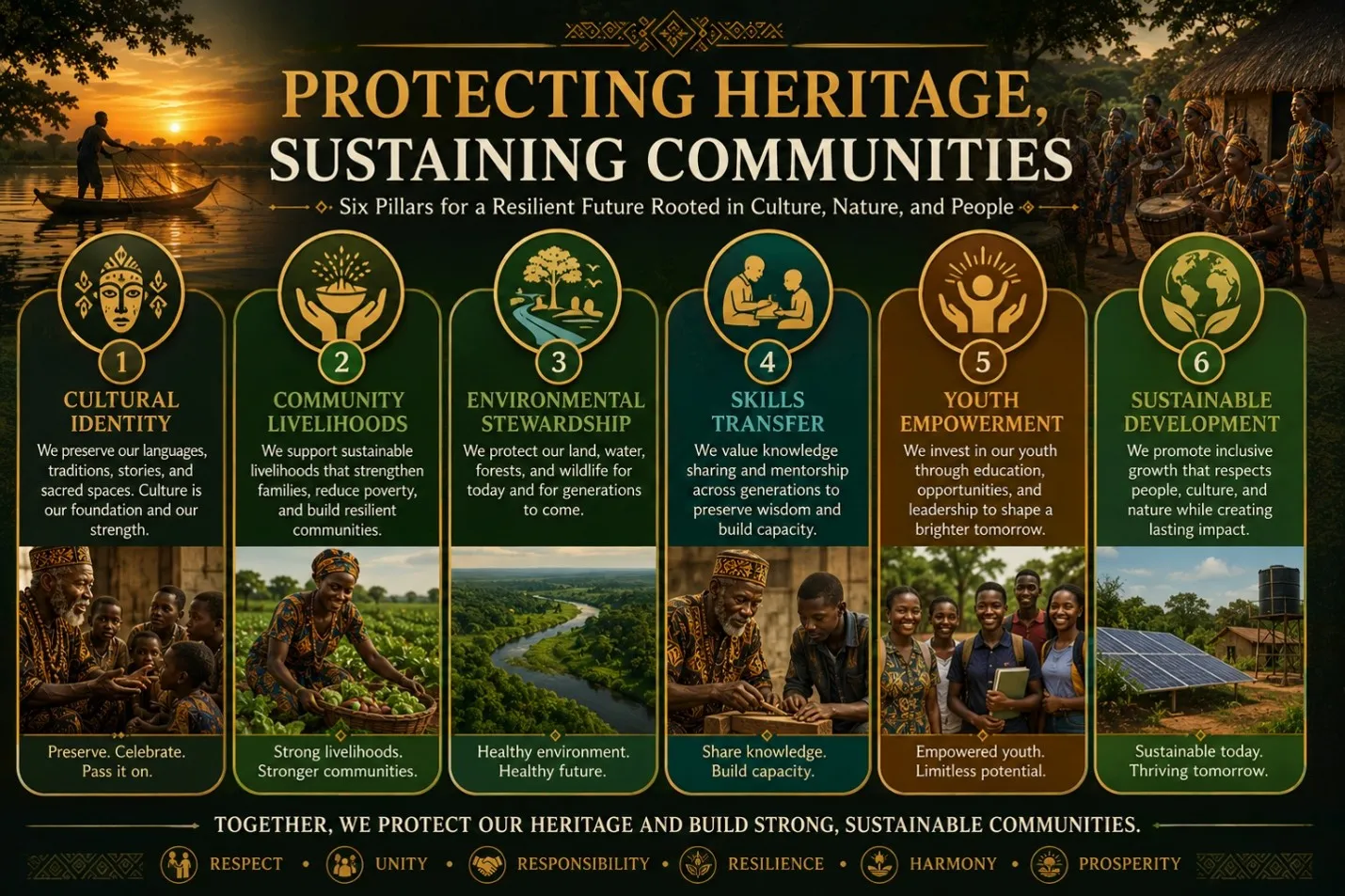
Environmental stewardship increasingly matters not only for economic sustainability but for cultural continuity.
Healthy ecosystems support:
- Agriculture
- Fishing
- Food systems
- Local trade
- Community resilience
- Cultural practice
Protecting the environment also protects cultural identity.
Youth, Opportunity, and the Future
Every culture depends on continuity.
The future of Milenge and Ushi heritage increasingly rests in the ability to preserve identity while creating opportunity for younger generations.
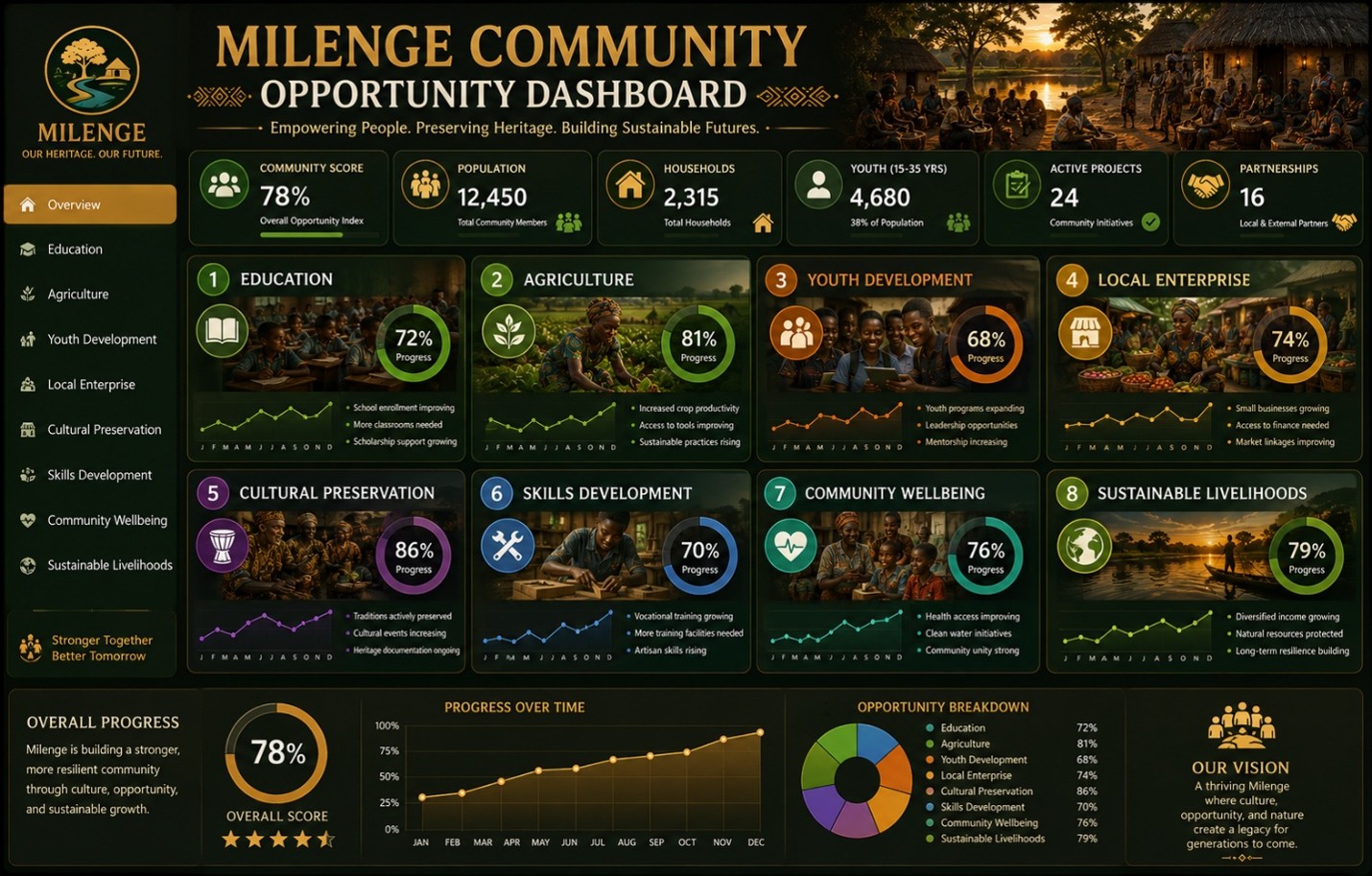
Young people today navigate two worlds: traditional belonging and modern aspiration.
Education, entrepreneurship, agriculture, technology, and cultural preservation can work together rather than compete.
Communities become stronger when young people remain connected to language, values, and heritage while building new opportunities.
Why Luapula's Cultural Story Matters
In a rapidly changing world, places like Milenge remind us of something important: development becomes more meaningful when people retain identity.
The Ushi story is ultimately a story about resilience.
About belonging.
About continuity.
About communities choosing to preserve wisdom while embracing progress.
Luapula Province is more than geography.
It is living heritage.
And in Milambo, among the Ushi people of Milenge, that heritage continues to breathe through language, memory, music, family, work, and community life.
Preserving Heritage, Empowering Communities
At Mayiko Group, we believe communities, culture, and sustainable development are deeply connected. Strong futures are built not only through economic growth, but through preserving identity, supporting local resilience, empowering communities, and respecting the heritage that shapes society for generations to come.
Let's talk